What still had to happen
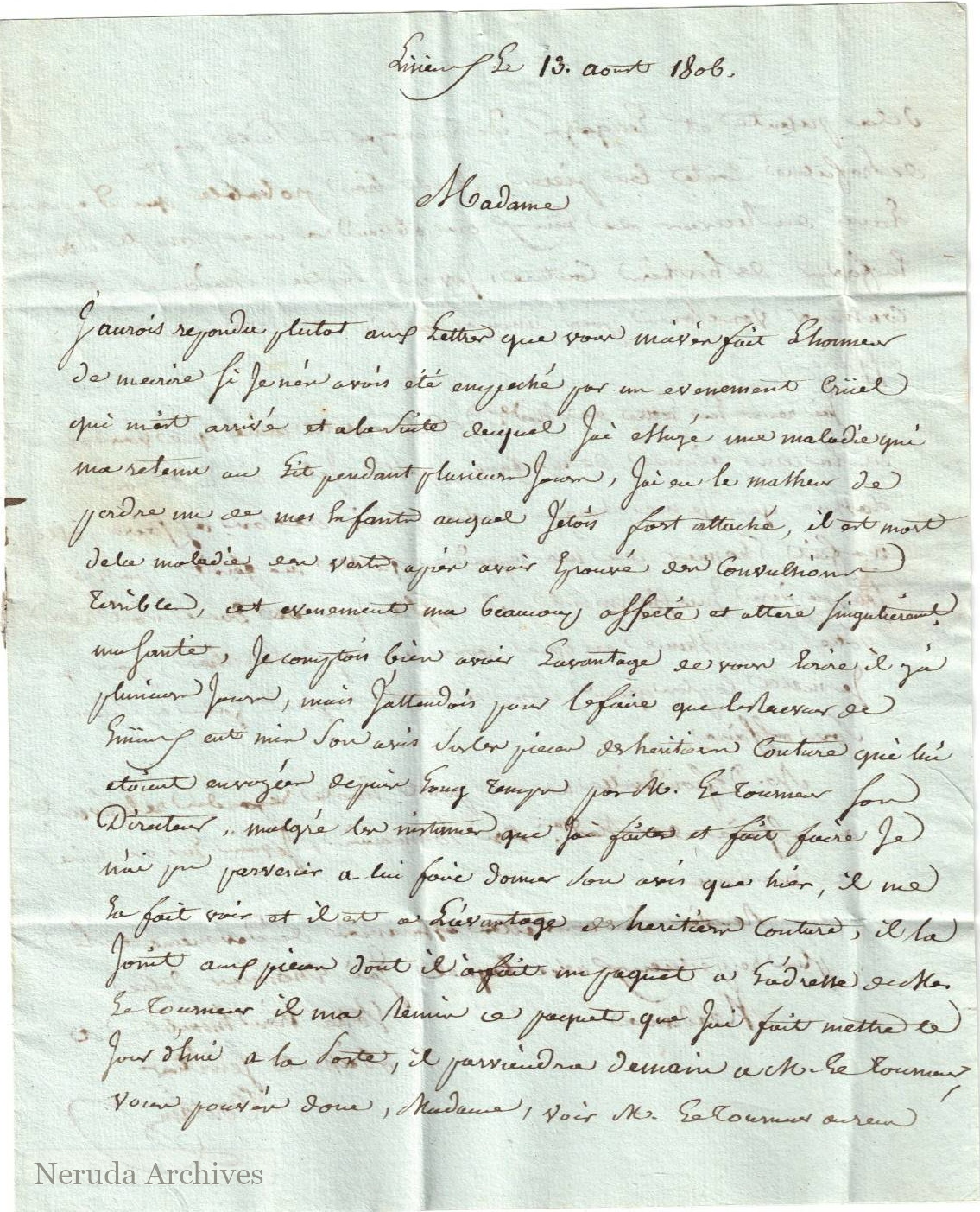
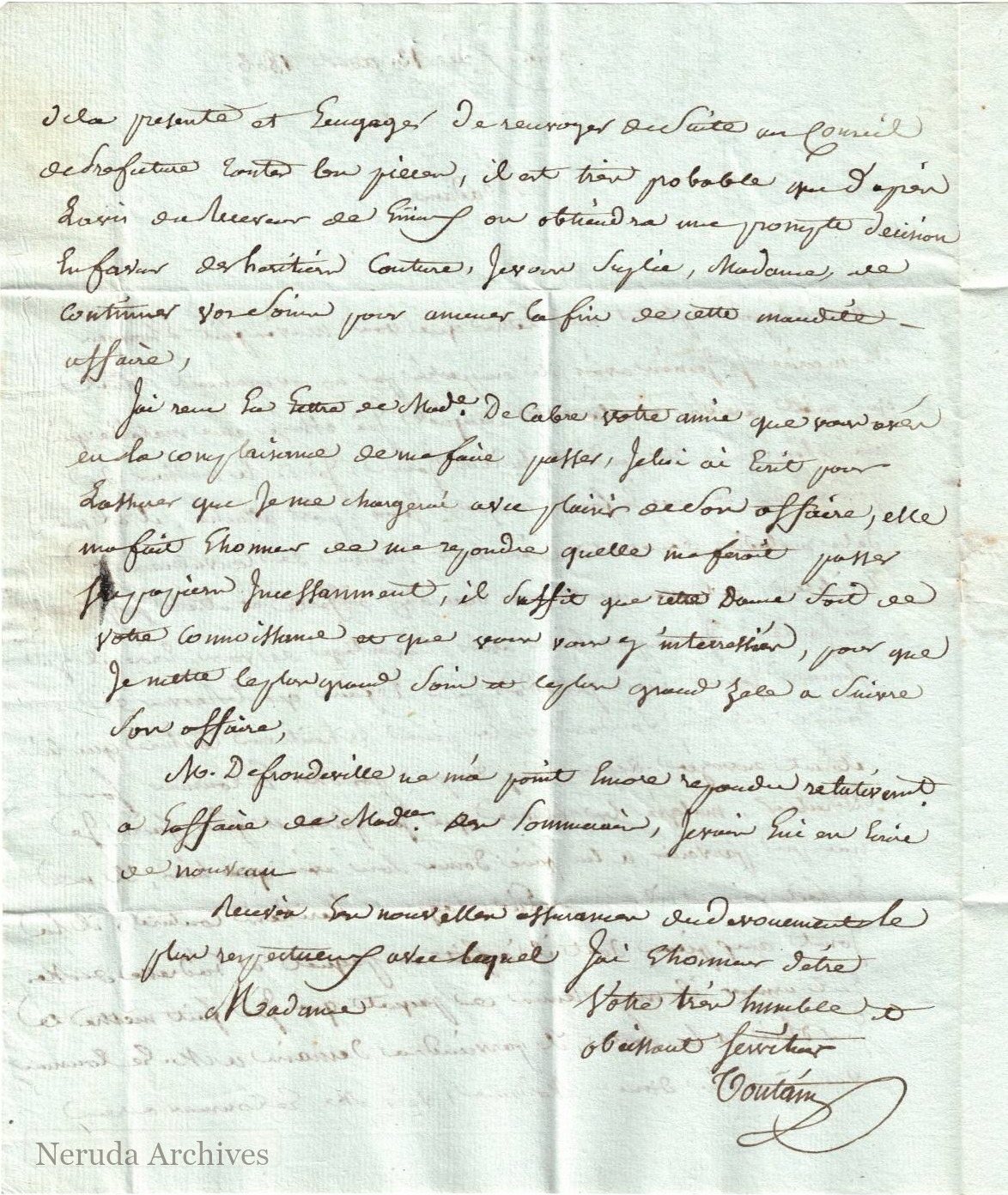
Coutain had finally obtained a favourable opinion from the receiver of registration in the Couture heirs' case. He sent it with the papers to the receiver's director and asked his correspondent in Caen to see the director as soon as she received the letter. The request was specific: the entire file should go on to the prefecture council without delay. The letter catches the case at that intermediate stage, when a favourable opinion had been secured but the decision was still awaited.[1]
The law of 17 February 1800 established a prefecture council in each department. Its responsibilities included ruling on specified administrative disputes, such as complaints over direct taxes or disputes over national property. That distinction explains why the receiver's opinion could help the heirs without settling their case. The Calvados departmental archives hold the council's records in series 5K, a starting point for tracing what happened after the letter was sent.[2, 3]
Evidence and limits
The letter does not say what the heirs were claiming, whether their papers reached the council, or how the case ended. No ruling in their case has been identified.[1, 3]
Sources & evidence (3)
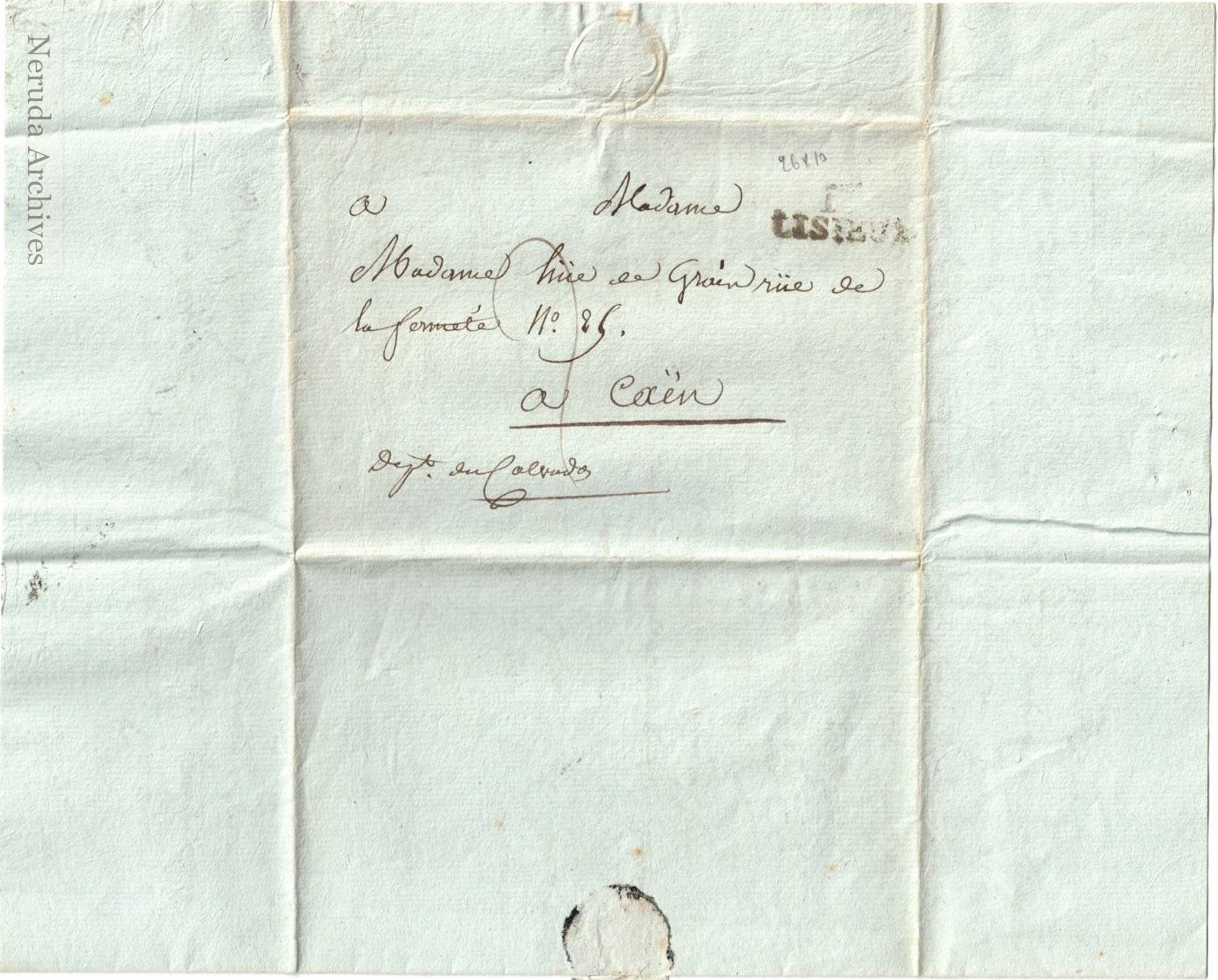
- Primary source: manuscript Neruda Archives, NRA-L-000008, Coutain to Madame Hüe, Lisieux, 13 August 1806, letter text, pages 1–2 and address panel. Read the letter Records the receiver's favourable opinion, the dispatch of the papers to his director, and the request to have the file forwarded to the council.
- Primary source: law Loi du 28 pluviôse an VIII (17 February 1800), Bulletin des lois, third series, no. 17, text no. 115, arts. II and IV; transcription hosted by the Université de Picardie Jules Verne. Read the law, articles II and IV (PDF) Establishes a council in each department and specifies categories of administrative disputes it was empowered to decide.
- Official archival finding aid Archives départementales du Calvados, series 5K, Conseil de préfecture du Calvados (1800–1926), finding aid reproduced on FranceArchives. Find the council's records at FranceArchives Identifies the institution and the archive that holds its records. The inventory is not evidence of a ruling in this case.