A number that could decide military service
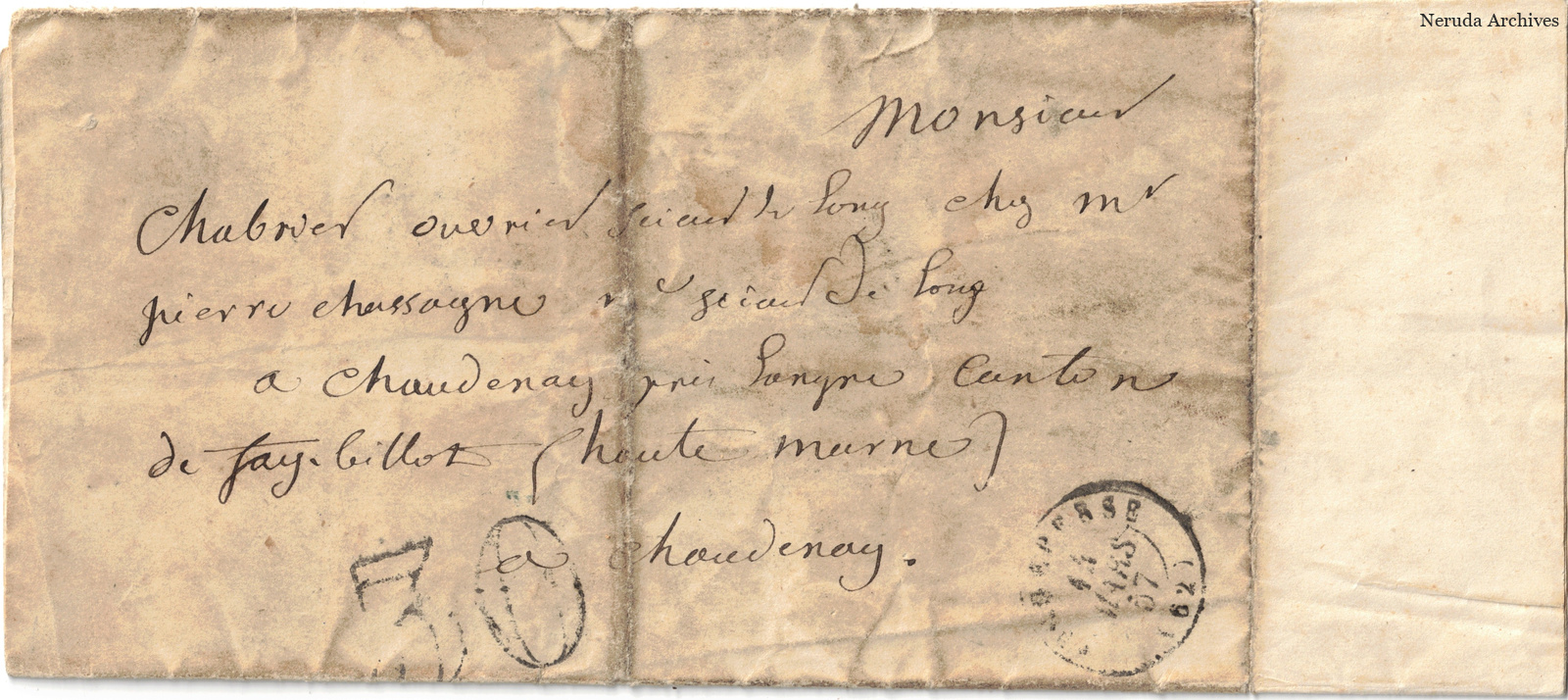
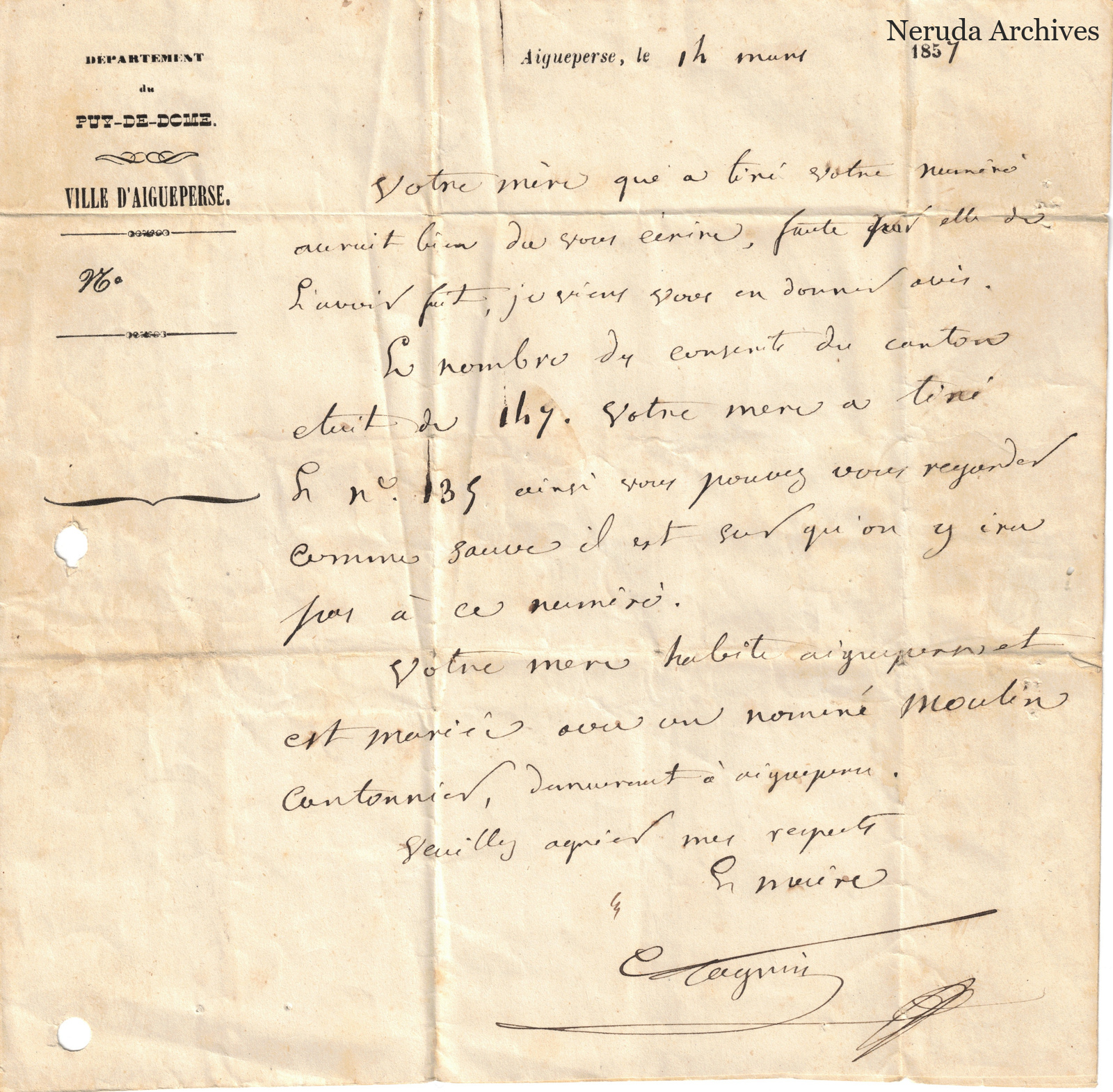
Under the French recruitment system established by the law of 21 March 1832, only part of each annual class was required for active service. Young men drew numbers within their canton, and the contingent was filled in numerical order: the lowest numbers were exposed to call first, while sufficiently high numbers escaped it. Chabrier's number, 135 among 147, placed him close to the end of the draw. This is why the writer could reassure him that the call would almost certainly not reach him.[1, 2, 3]
Evidence and limits
The letter records the draw and its expected consequence, but it does not give the canton's final quota or a later administrative decision confirming Chabrier's exemption. The explanation therefore clarifies the mechanism and the writer's confidence without claiming a surviving final service record.[1, 2, 3]
Sources & evidence (3)
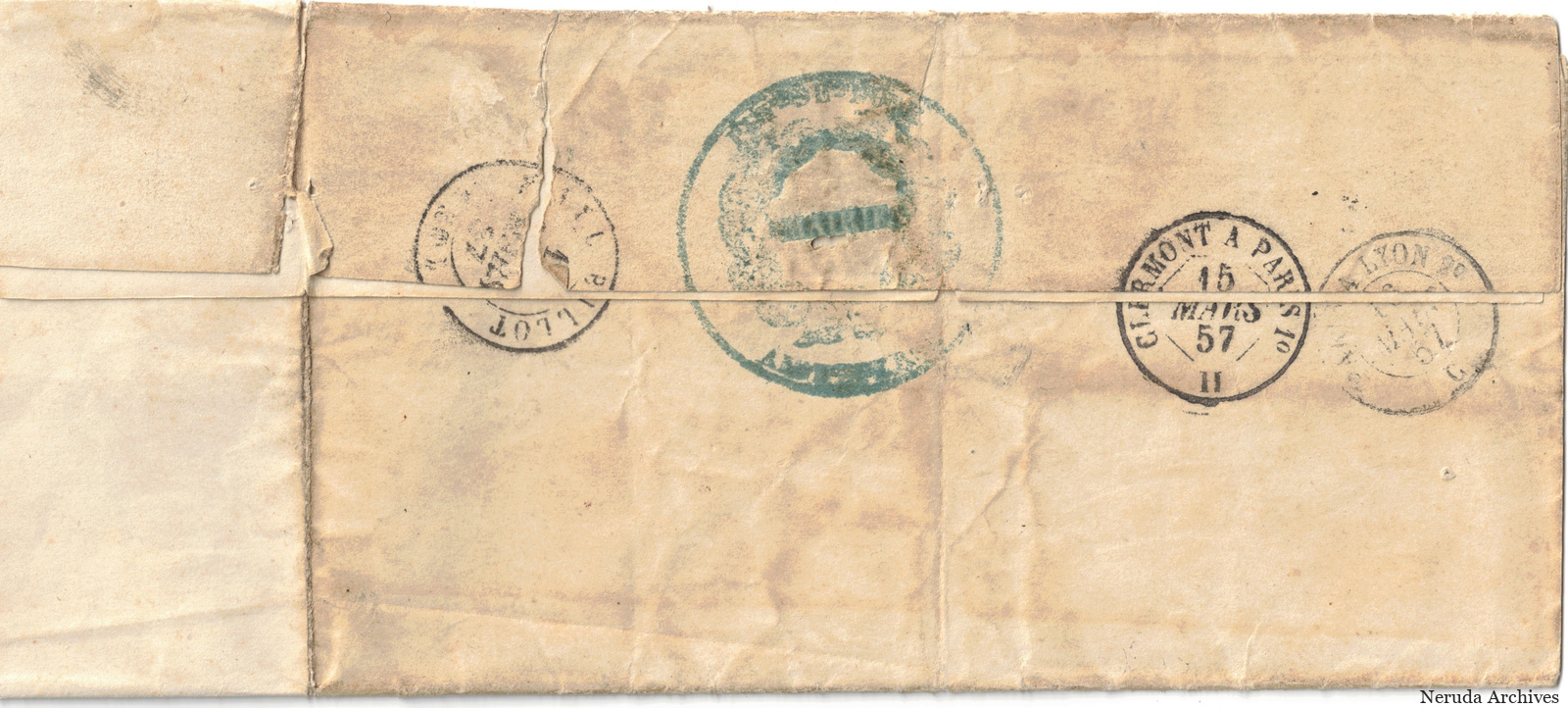
- Primary source · manuscript Neruda Archives, NRA-L-000062, letter to Monsieur Chabrier, 14 March 1857. View the archive record Records a cantonal draw of 147, Chabrier's number 135 and the writer's assurance that the call would not reach so high.
- Official archival record Service historique de la Défense, GR XS 456, records concerning the law of 21 March 1832 on army recruitment, 1832-1865. View the archival notice Confirms the governing 1832 recruitment law and its contemporary administrative guidance.
- Official institutional history Assemblée nationale, 'Les fondements du service militaire universel', historical presentation of French recruitment laws. Read the historical overview Explains that the 1832 system used drawing of lots and that favourable numbers exempted men from service.